
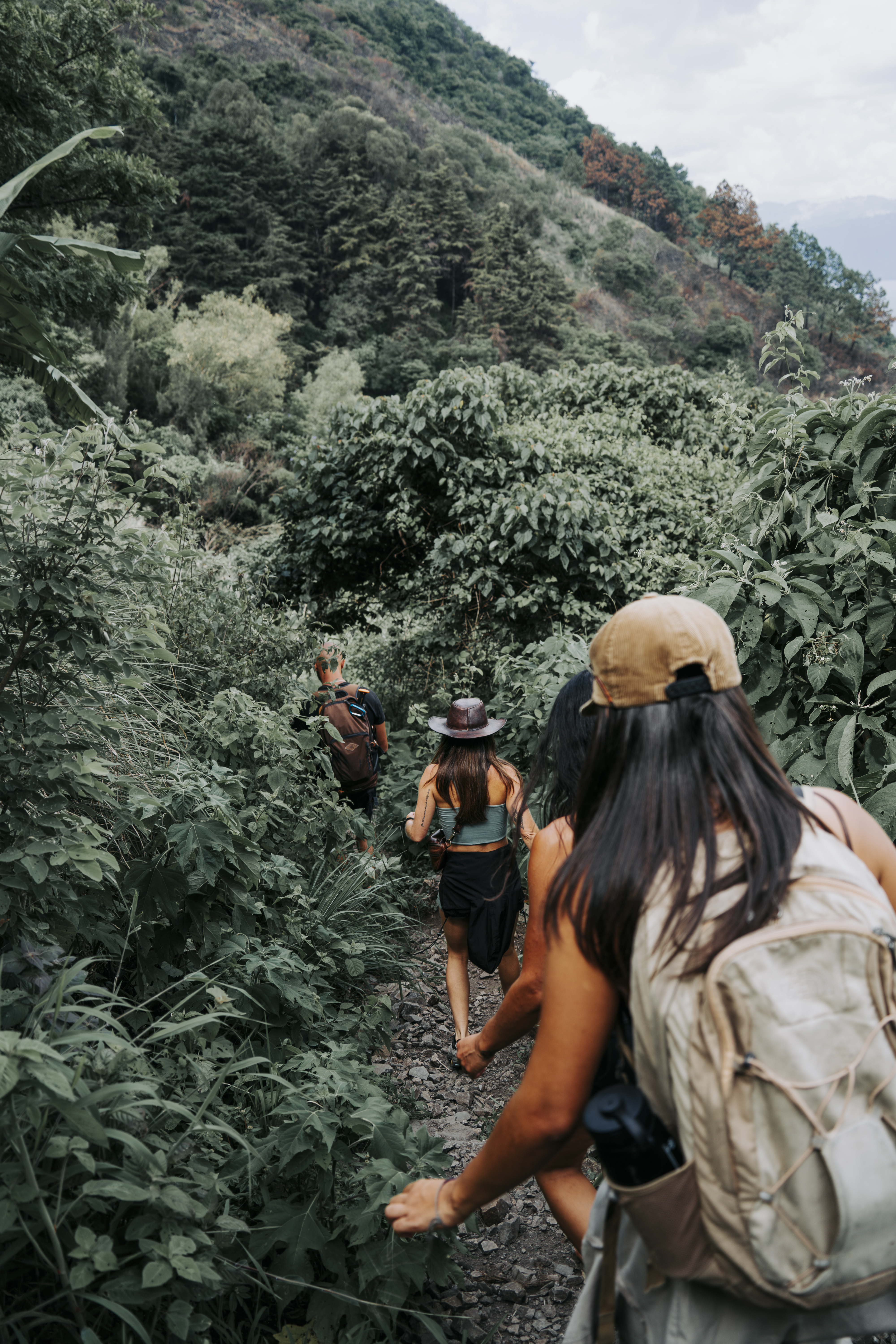
Recovering after hiking Acatenango takes 3 to 5 days of targeted hydration, heat therapy, massage, gentle movement, and quality sleep, ideally at a lakeside wellness retreat rather than back in Antigua. You did it. 3,976 meters. Sub-zero summit push at 4 AM. Fuego erupting under a sky of stars. The memory will outlast every sore muscle, but right now, your body is asking some serious questions.
You're back at the trailhead in La Soledad and it's barely noon. Your quads are on fire. Your knees feel like they belong to someone thirty years older. There's fine black volcanic ash in your hair, your ears, your lungs. You slept maybe two hours on a thin mat while the ground shook with every Fuego eruption. And now you need to figure out what to do next.
Most hikers stumble back to Antigua, collapse at a hostel, eat a burger, and limp around cobblestone streets for three days wondering why their body hates them. There's a better way.
What Acatenango Actually Does to Your Body
Understanding the toll helps you recover faster
Acatenango isn't just a hard hike. It's a specific combination of physical stressors that compound on each other. The 1,500-meter altitude gain pushes you above 3,600 meters where oxygen drops significantly. Your body compensates by working harder, burning more calories, and losing water through rapid, dry-altitude breathing you don't even notice.
The Physical Toll
DOMS (Delayed Onset Muscle Soreness). The 3-hour descent on loose volcanic scree is devastating on your quadriceps and patellar tendons. The pain peaks 24 to 48 hours after the hike and can last 4 to 5 days.
Knee strain. Walking downhill on a 30 to 40 degree incline for hours puts extreme load on your knee joints. Even with trekking poles, the impact accumulates.
Sleep deprivation. Basecamp at 3,600 meters is cold (0 to 5 degrees Celsius), loud (Fuego erupts every 15 to 30 minutes), and uncomfortable. Most hikers get 1 to 3 hours of broken sleep.
Thermal shock. You sweat through the ascent in 25-degree heat, then stop at basecamp where temperatures drop below freezing. The rapid temperature swing stresses your immune system.
Dehydration. High-altitude air is extremely dry. You lose water through respiration without realizing it, on top of the 3,000 to 5,000 calories you burned on the trek.
Volcanic ash exposure. Fine particulate matter from the trail and summit gets into your respiratory system, skin, and hair. It's mildly irritating and takes proper washing to remove.
“I couldn't walk down stairs for four days. The descent on that loose volcanic gravel just destroyed my quads.”
This isn't meant to scare you. Acatenango is one of the most incredible experiences in Central America. But understanding what your body just went through is the first step to recovering well, instead of just suffering through it.
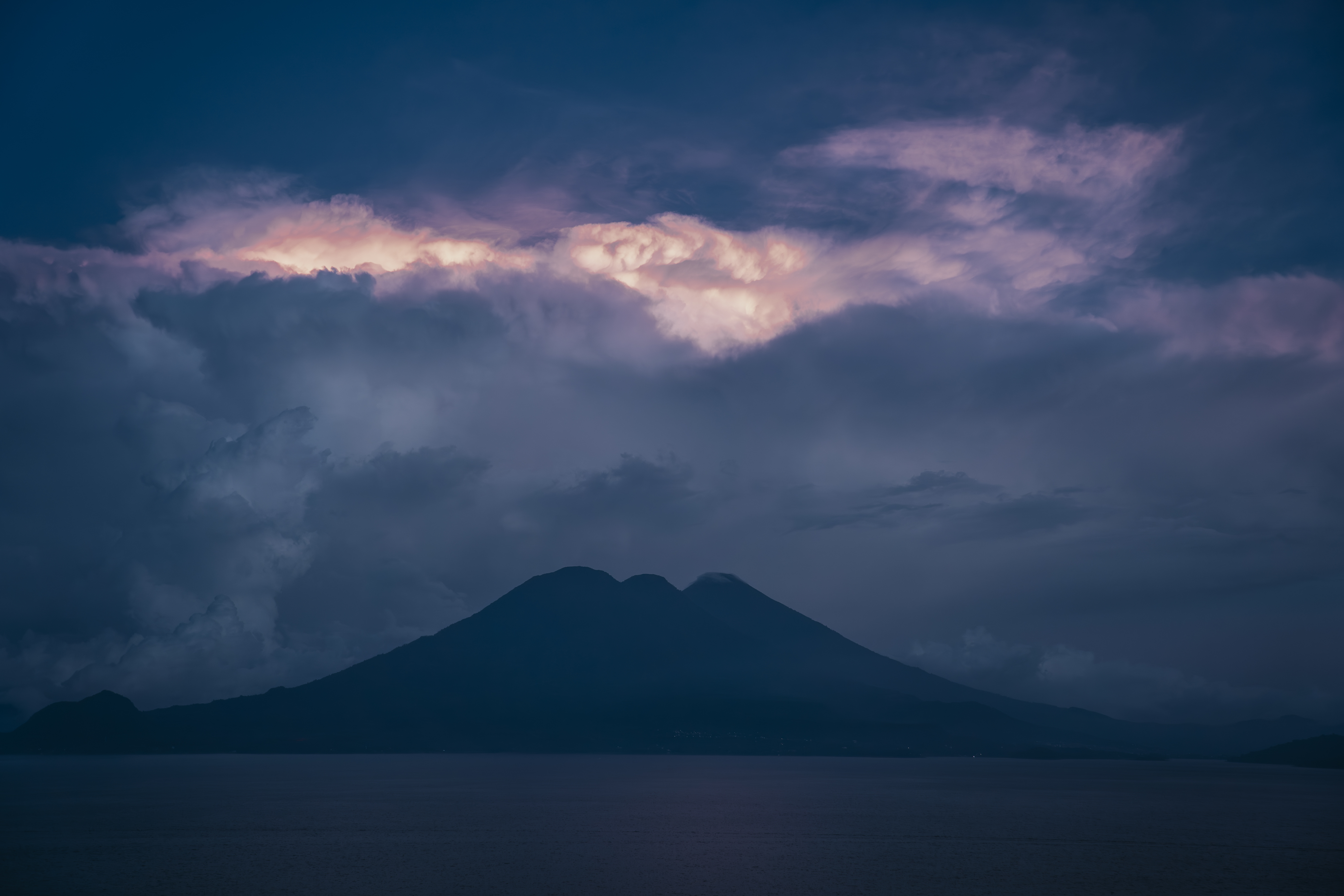
Antigua vs. Lake Atitlan: Where Should You Recover?
One is great before the hike. The other is built for after.
Most hikers default to recovering in Antigua because that's where they started. It makes sense logistically. Your bag is at the hostel, you know the streets, and there's a burger calling your name. But Antigua is actually a terrible recovery environment.
Antigua (Before the Hike)
- 1,500m altitude, good for acclimatizing before Acatenango
- Cobblestone streets that punish sore knees
- City noise, exhaust fumes, tourist crowds
- Party hostels where rest is an afterthought
- Great restaurants but limited wellness infrastructure
Lake Atitlan (After the Hike)
- 1,560m altitude, similar but surrounded by clean mountain air
- Flat lakeside paths, hammocks, and stillness
- Quiet villages, fresh air, volcanic hot springs
- Wellness retreats built specifically for deep recovery
- Yoga, massage, farm-to-table nutrition, and nature immersion
Lake Atitlan is where the backpacker trail naturally flows after Antigua anyway, but most people don't realize it's also the medically smarter choice for post-hike recovery. The clean air, the wellness culture of towns like San Marcos, and the ability to simply stop moving and rest in nature make it the ideal place to let your body rebuild.
5 Steps to Actually Recover
Targeted recovery that gets you moving again faster
Rehydrate and Refuel Properly
You burned 3,000 to 5,000 calories and lost significant water through altitude breathing. Your body needs more than a Gallo beer and street tacos (though those help morale). Focus on electrolyte-rich fluids, anti-inflammatory foods, and nutrient-dense meals. Think fresh tropical fruit, clean proteins, leafy greens, and bone broth. Your muscles are literally rebuilding. Give them the materials.
Heat Therapy for Your Muscles
Heat increases blood flow to damaged muscle tissue, which accelerates recovery and reduces DOMS duration. A hot tub, traditional Mayan temazcal (sweat lodge), or even a long hot shower does more for your legs than any amount of ibuprofen. If you can find a place with a proper sauna or thermal waters near the lake, use them daily for the first 48 hours.
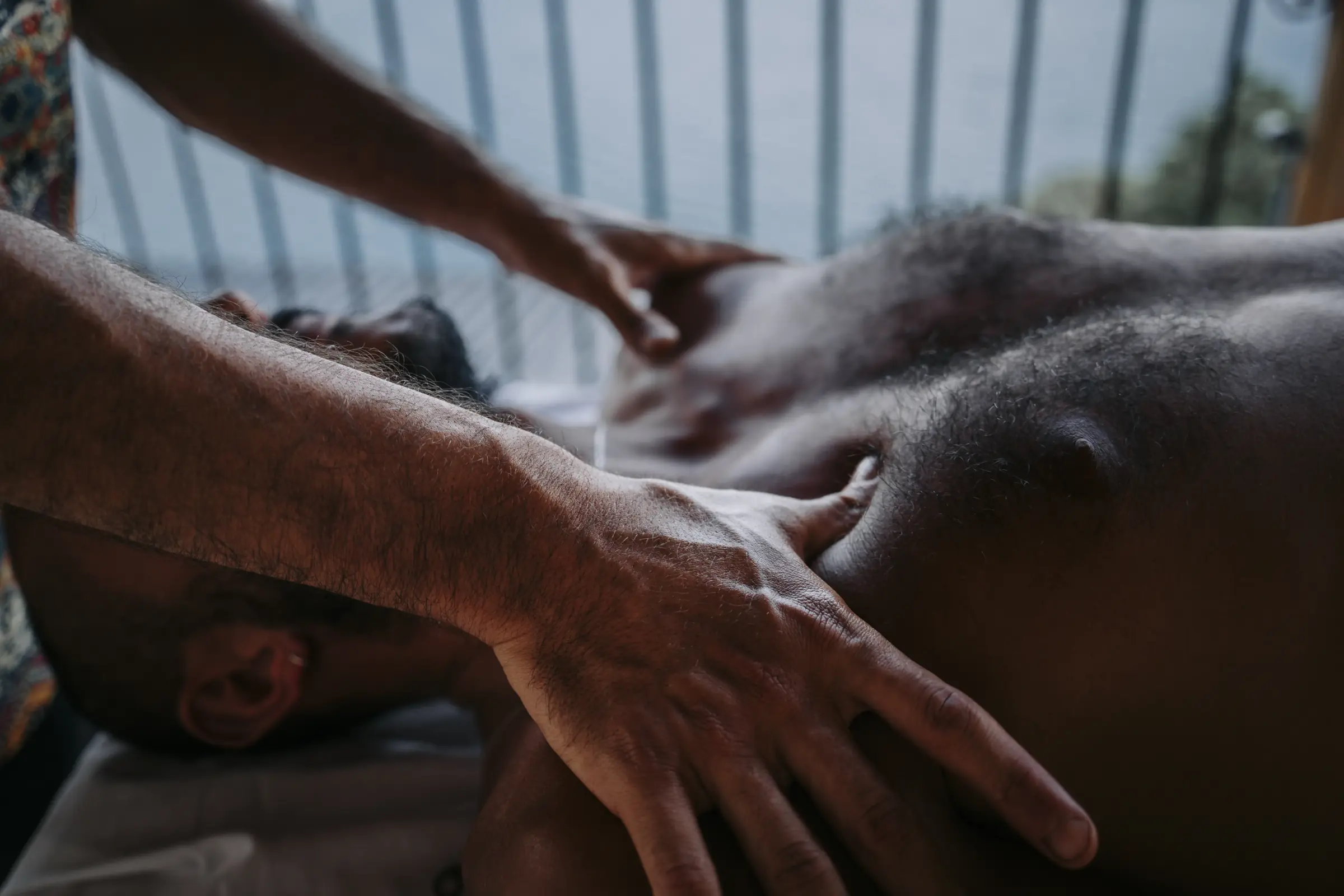
Deep Tissue Massage, Specifically for Hikers
A general spa massage won't cut it. What you need is focused work on your quadriceps, IT bands, calves, and hip flexors. These are the muscle groups that absorbed the descent. A therapist who understands sports recovery will flush the lactic acid buildup and restore range of motion. Most hikers report that a single 60-minute deep tissue session on Day 1 cuts their recovery time nearly in half.
Gentle Movement, Not Complete Rest
Total bed rest actually slows recovery. Light movement like a slow walk along the lakeshore, gentle stretching, or restorative yoga keeps blood circulating through damaged tissue without adding stress. The key word is gentle. Your body doesn't need another workout. It needs movement without impact.
Sleep and Stillness
You've been running on adrenaline and sleep debt since basecamp. Your nervous system needs to downshift from fight-or-flight mode into rest-and-digest. Find somewhere quiet. Turn your phone off. Let yourself sleep 10 hours if your body asks for it. The deep recovery happens when you stop.
Getting from Acatenango to Lake Atitlan
It's closer and easier than you think
The most common route goes through Antigua, but you don't have to backtrack. Here are your options:
Transport Options
Direct shuttle from Antigua to Panajachel. $15 to $25 USD, departures at 8 AM, 12:30 PM, and 4 PM. Takes 2.5 to 3 hours. Book through GuateGo or any agency on 5a Avenida.
Direct transfer from the trailhead. Some operators like AKT Tours offer transport straight from La Soledad to Panajachel, skipping Antigua entirely. Ask your tour company before the hike.
Private shuttle. $80 to $120 for a direct door-to-door transfer. Worth it if you're traveling with a group or your legs genuinely can't handle one more chicken bus.
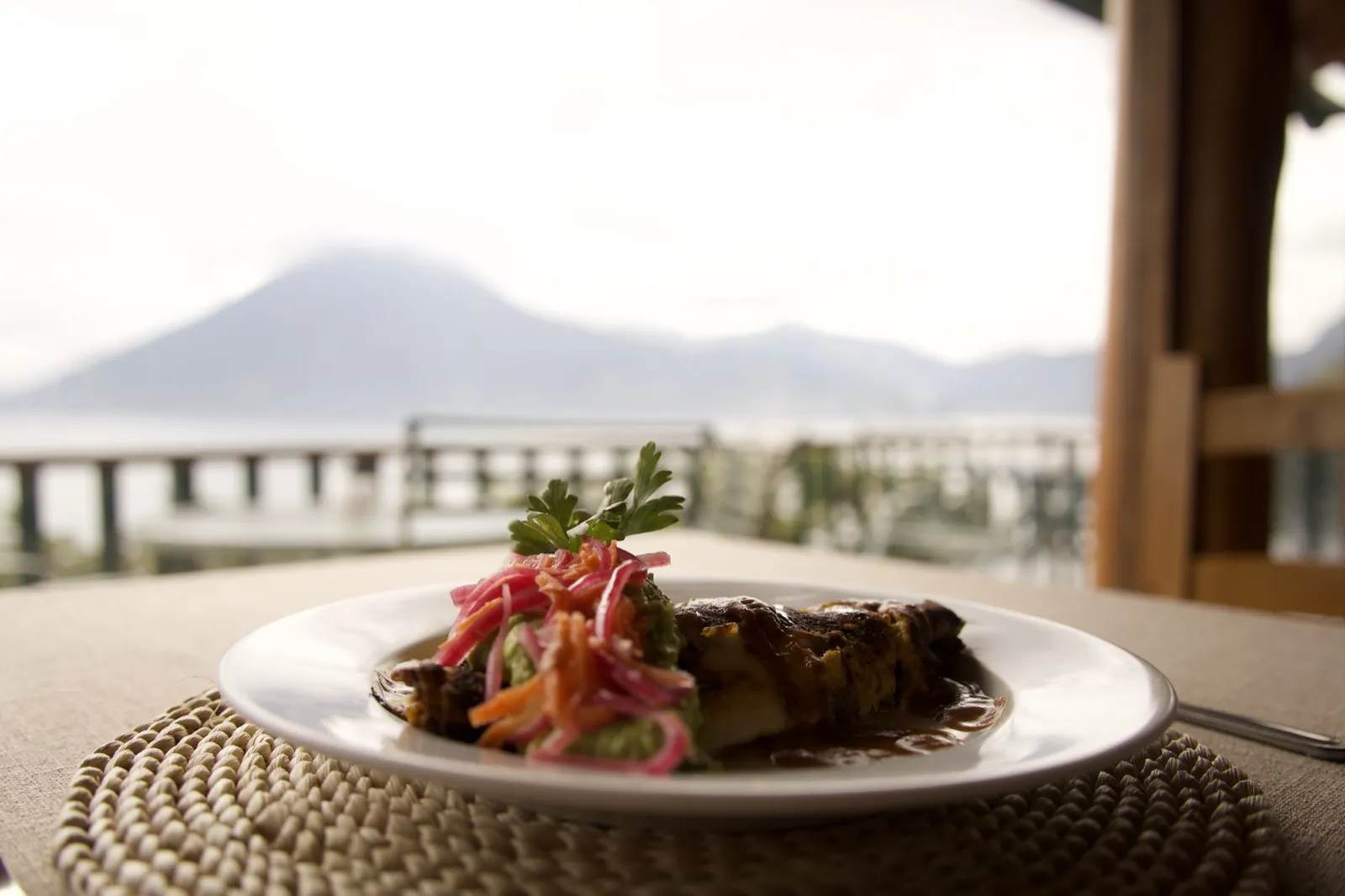
From Panajachel, water taxis (lanchas) run to every lakeside village. The ride is 15 to 30 minutes depending on your destination. You'll know you made the right call the moment the boat pulls away from the dock and the three volcanoes surrounding the lake come into view.
Which Tour Operator Should You Hike With?
They're not all the same, so choose based on your priorities
The operator you choose determines your entire experience, from comfort at basecamp to quality of guides, food, and gear. Here are the main options in Antigua.
Top Acatenango Tour Operators
Wicho & Charlie's ($100 to $130). The most popular choice. Famous for A-frame cabins with real mattresses at basecamp, plant-based meals, and excellent gear included. Proceeds support local animal shelters and reforestation. Great for backpackers who want comfort without luxury pricing.
Trek Guatemala ($150+). Smaller groups, gourmet food, and highly knowledgeable bilingual guides. Best for older travelers or anyone willing to pay more for a premium experience.
OX Expeditions ($120 to $140). The legacy outfitter with wilderness first aid trained guides. Top-tier gear (North Face, Osprey). Tents, not cabins. Best for serious hikers.
Tropicana ($70 to $85). Run by a party hostel. Younger crowd, social vibe, but basecamp can be noisy. Budget-friendly with fun energy.
AKT Tours ($50 to $65). Community-run, most affordable option. Basic tents and older gear, but your money goes directly to local guides. They also offer direct transfers to Lake Atitlan.
Book Your Acatenango Tour
“Don't book a party hostel in Antigua after the hike. All I wanted was a long hot shower and a bed that didn't vibrate every time Fuego went off.”
The 3-Day Recovery Plan
What your body needs, day by day
Day 1. Arrive and Collapse
Get to the lake. Take the longest, hottest shower of your life to wash out the volcanic ash. Eat a massive, nutrient-dense meal. Get a deep tissue massage focused on your legs. Go to bed early. You earned unconsciousness.
Day 2. Gentle Movement
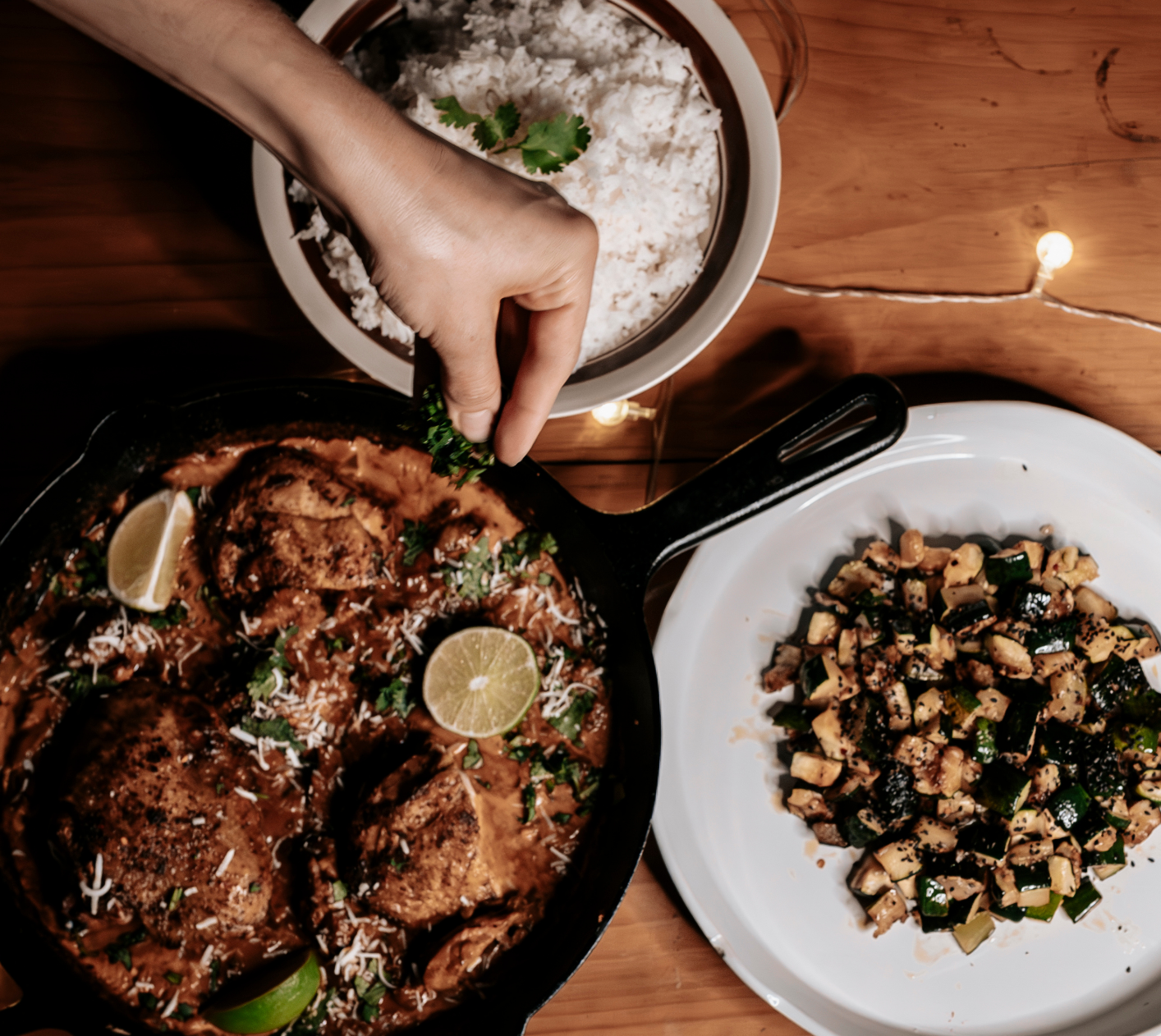
Your DOMS will peak today. Your quads and calves will feel worse than yesterday. This is normal. Do a gentle restorative yoga session or a slow 20-minute walk along the water. Spend time in a sauna or hot tub. Eat anti-inflammatory foods (turmeric, ginger, fresh fruit). Nap without guilt.
Day 3. Explore and Breathe
The soreness starts fading. Your sleep debt is repaying itself. Take a kayak on the lake, visit a neighboring village by boat, or join a gentle hike to a mirador. Your body is rebuilding. By the afternoon, you'll feel human again, and you'll realize that recovering at the lake was the best decision you made after the summit.
Recover at Loma
A sanctuary on the shores of Lake Atitlan, built for exactly this
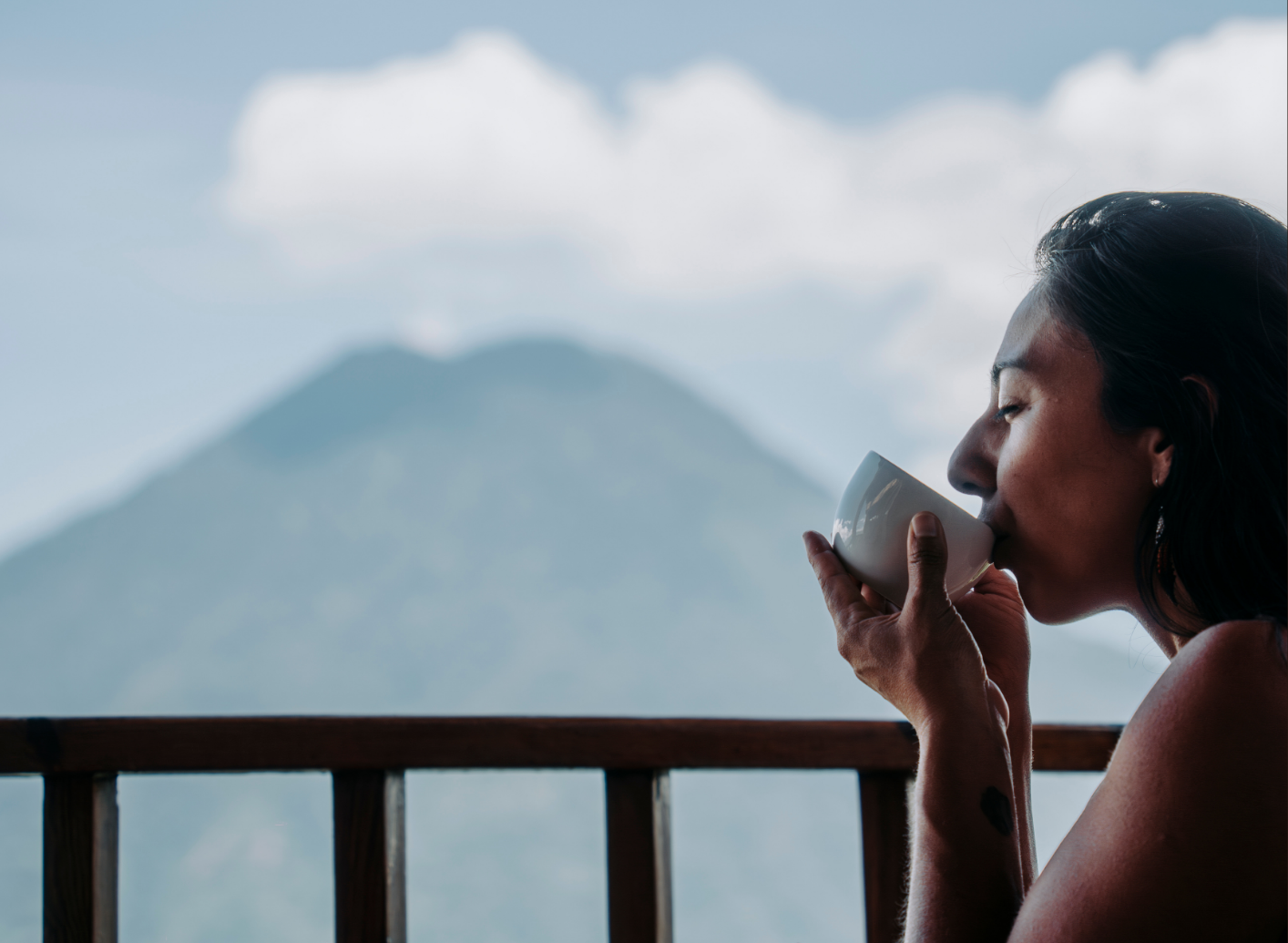
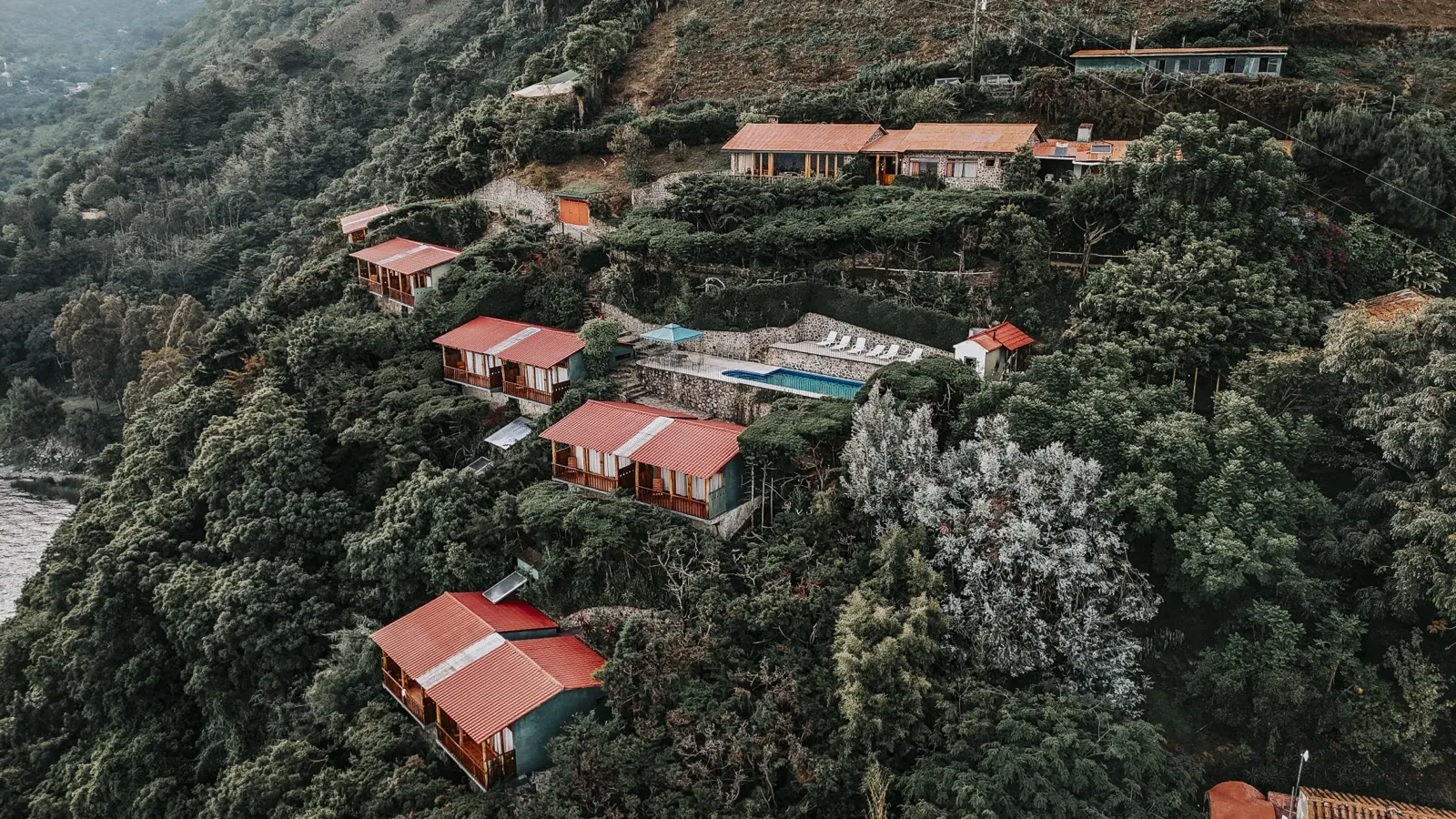
Loma de Atitlan sits on the quiet northern shore of the lake, between the villages of Jaibalito and Santa Cruz. It's not a party hostel. It's not a backpacker stop. It's a wellness sanctuary designed for the kind of deep rest and recovery your body is asking for right now.
What Recovery Looks Like at Loma
Private and shared rooms with lake-view terraces. Wake up to three volcanoes reflected in still water.
Farm-to-table meals built around local organic produce. The nutrition your muscles need to rebuild.
On-site massage therapists trained in deep tissue and sports recovery.
Daily yoga sessions, from vigorous vinyasa to gentle restorative, depending on what your body needs.
Traditional Mayan sauna (temazcal) and cold plunge for circulation recovery.
Kayaks, SUP boards, and lakeside hammocks for gentle movement and complete stillness.
Only accessible by boat. The moment you step off the lancha, the noise of the trail disappears.
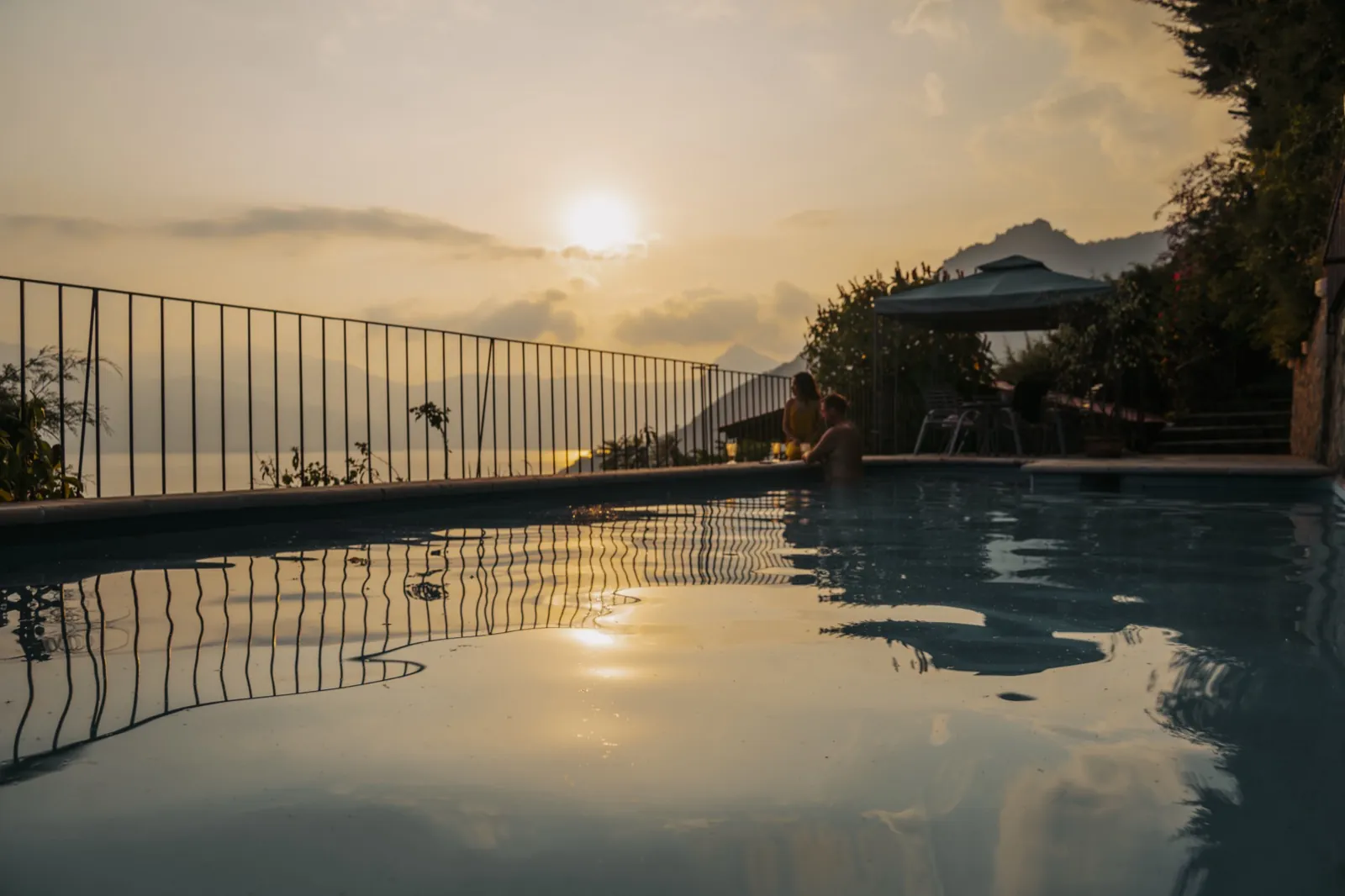
Most Acatenango hikers spend 2 to 4 nights at the lake before moving on. That's enough time to go from barely walking to feeling ready for whatever comes next on your Guatemala journey.
You just conquered one of Central America's most demanding hikes. Don't spend your recovery limping around a loud city. Come rest at the lake.